Publications
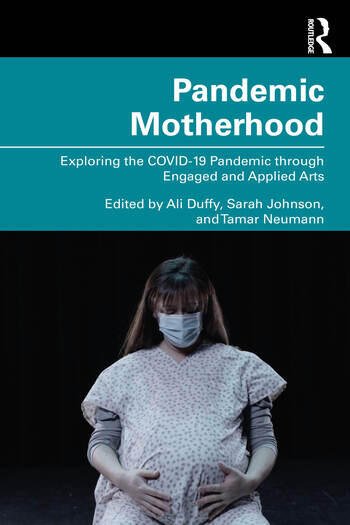
Pandemic Motherhood: Exploring the COVID-19 Pandemic Through Engaged and Applied Arts
Pandemic Motherhood explores how various artistic practices and processes have been instrumental in processing, sharing, and learning about the intersectional epidemics unique to mothers living in the United Kingdom, Canada, and the United States.
Exploring how the COVID-19 pandemic and childcare converge to create challenging circumstances for women and mothers, the book interrogates ways in which individuals navigated these challenges through dance, performing arts, and theatre. The collection highlights artistic processes and experiences of developing, creating, devising, or contributing to artwork that centralizes topics of social inequity with pregnancy, motherhood, and womanhood.
Representations of (Non) Choice: Birthmother Narratives as Marginalized Mothers in Contemporary Theatre
This chapter analyzes two contemporary plays with adoption storylines and argues that a deeper understanding of how birth mothers are represented in theatrical stories can help us understand the adversarial roles of birth and adoptive mothers and how these portrayals fit into a larger conversation about motherhood and choice.
Fatherhood Erased: Exploring the Paternal Voice in the Theatrical Adoption Narrative
This essay addresses the gender disparity in adoption scholarship and narratives, which predominantly focus on the women of adoption. While acknowledging the increasing prevalence of open adoption, the essay highlights the continued marginalization and stereotypical representation of both birth and adoptive fathers in theatrical narratives. The author analyzes three plays, Aishah Rahman's Unfinished Women Cry in No Man's Land While a Bird Dies in a Gilded Cage, Lisa Loomer's Expecting Isabel, and Daf James's On the Other Hand, We're Happy, and argues that these works reveal significant gaps in the nuanced portrayal of fathers in adoption. Ultimately, it calls for a more balanced and complex understanding of fatherhood within evolving kinship networks created by open adoption.
Research
My scholarly work centers on the intersections of adoption, performance, and representation, with a particular focus on open adoption and the stories we tell — and fail to tell — about it. My dissertation drew on qualitative research through in-depth interviews with mothers living in open adoptions, using their narratives to examine how adoption is performed in everyday life. I then brought those lived experiences into conversation with dramatic literature, interrogating plays featuring open adoption storylines to identify the gaps and inconsistencies in how adoptive and birth motherhood is represented on stage. At the heart of this work is a persistent question: how can we do better in telling adoption stories?
From there, my research has expanded in two important directions. First, I have examined the ways fathers are portrayed and often erased in adoption narratives, challenging the tendency to center motherhood at the expense of paternal presence and identity. Second, I have broadened my focus to explore Indigenous adoption and the Sixties Scoop as rendered through performance, considering what theatrical representation can teach us about the history of adoption practices and their ongoing consequences for Indigenous communities and families.
Beyond adoption studies, my scholarly interests extend to the pedagogy of writing, gender studies, puppetry and performance, and Indigenous Studies — areas that frequently intersect with and enrich my primary research agenda.